EDITORIAL · NEW YORK CITY
Your guide to NYC.
Stories, plans and shortlists for visiting New York — written for travelers who want the city to feel easy, not overwhelming.
79+Guides
26Topics
AlwaysEditor-reviewed
Stories, plans and shortlists for visiting New York — written for travelers who want the city to feel easy, not overwhelming.

Every topic has its own page. Click in and read everything we've written about it.

Three days in New York doesn't have to be expensive. Accommodation and food are where budgets blow up; sightseeing can be mostly free if you know where to look. Here's a three-day plan built to keep costs down without feeling like you missed the city.

For a first-timer with three days, the hardest part isn't finding things to do — it's deciding what to cut. Every list online treats fifty things as essential. They're not. Here's the must-see list ranked honestly, so you spend your limited time on what actually delivers.

Three days is the sweet spot for a first New York trip — enough to see the headline icons properly without the death-march pace of trying to cram them into a weekend. The key is one geographic area per day, so you walk more and commute less. Here's a route that flows.

New York with kids is fantastic — and exhausting if you plan it like an adults' sightseeing sprint. The trick over a weekend is to pace it: one big thing per half-day, plenty of outdoor space, and a show or attraction the kids are genuinely excited about. Here's a two-day plan built around energy levels, not just sights.

If you want a weekend mapped out rather than a list of options, here's a three-part route that uses the city's geography well: arrive into a Broadway night, spend a full day on the Manhattan icons, and finish with a relaxed Sunday in Brooklyn. It's the version of a New York weekend that most first-timers wish they'd planned.

A weekend in New York is short, and the classic mistake is trying to do everything and seeing it all through a subway window. Two days is plenty for a great first taste of the city — if you group things by geography and don't sprint. Here's a route that flows instead of zig-zagging.
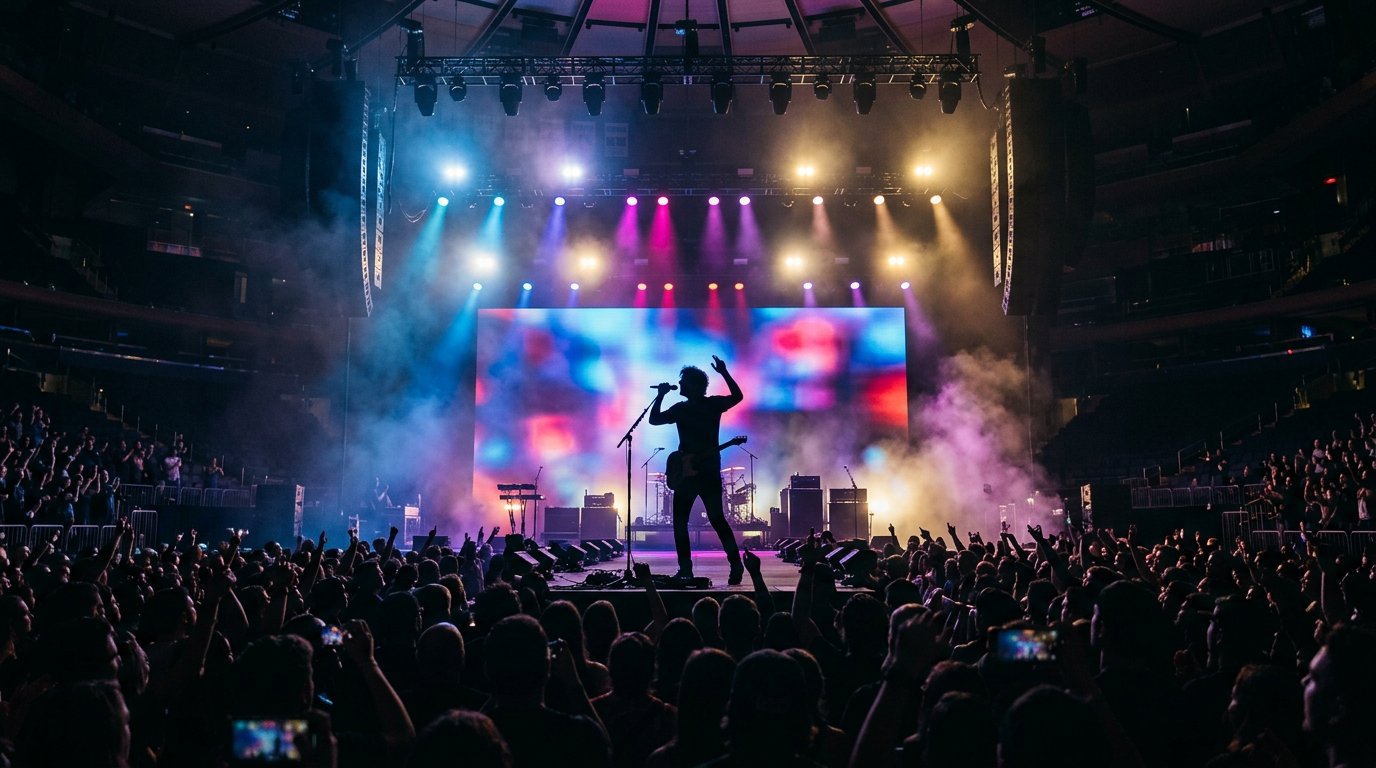
In New York, the venue shapes the night as much as the act. The same artist feels completely different in a full-size arena than in an ornate old theater. Knowing the city's main rooms — by size and by feel — helps you pick the right show and the right seat. Here's the lay of the land, from biggest to most intimate.
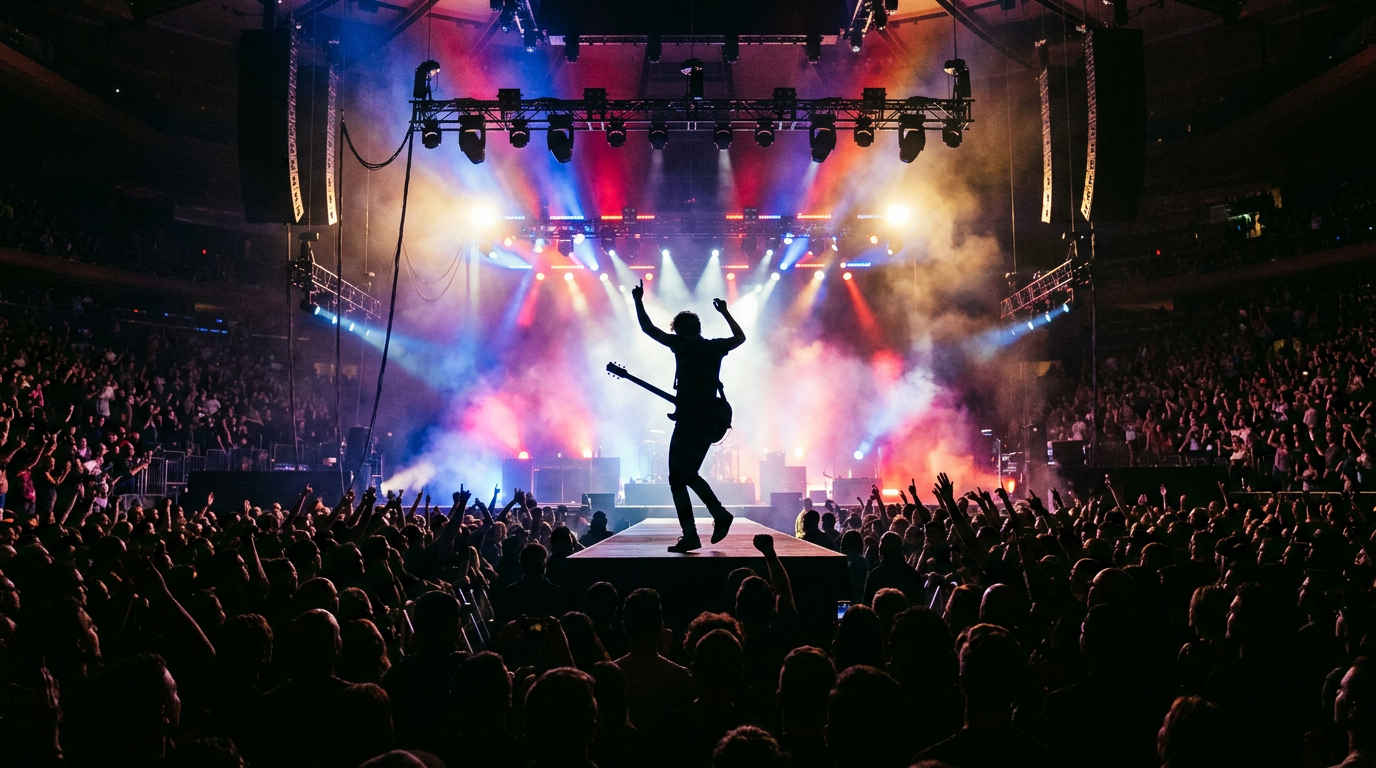
Buying concert tickets in New York can feel like a race — the biggest shows sell out in minutes, prices swing wildly, and it's not always clear where to look. Here's how the system actually works, from presales to last-minute, so you can get into the show you want without overpaying.
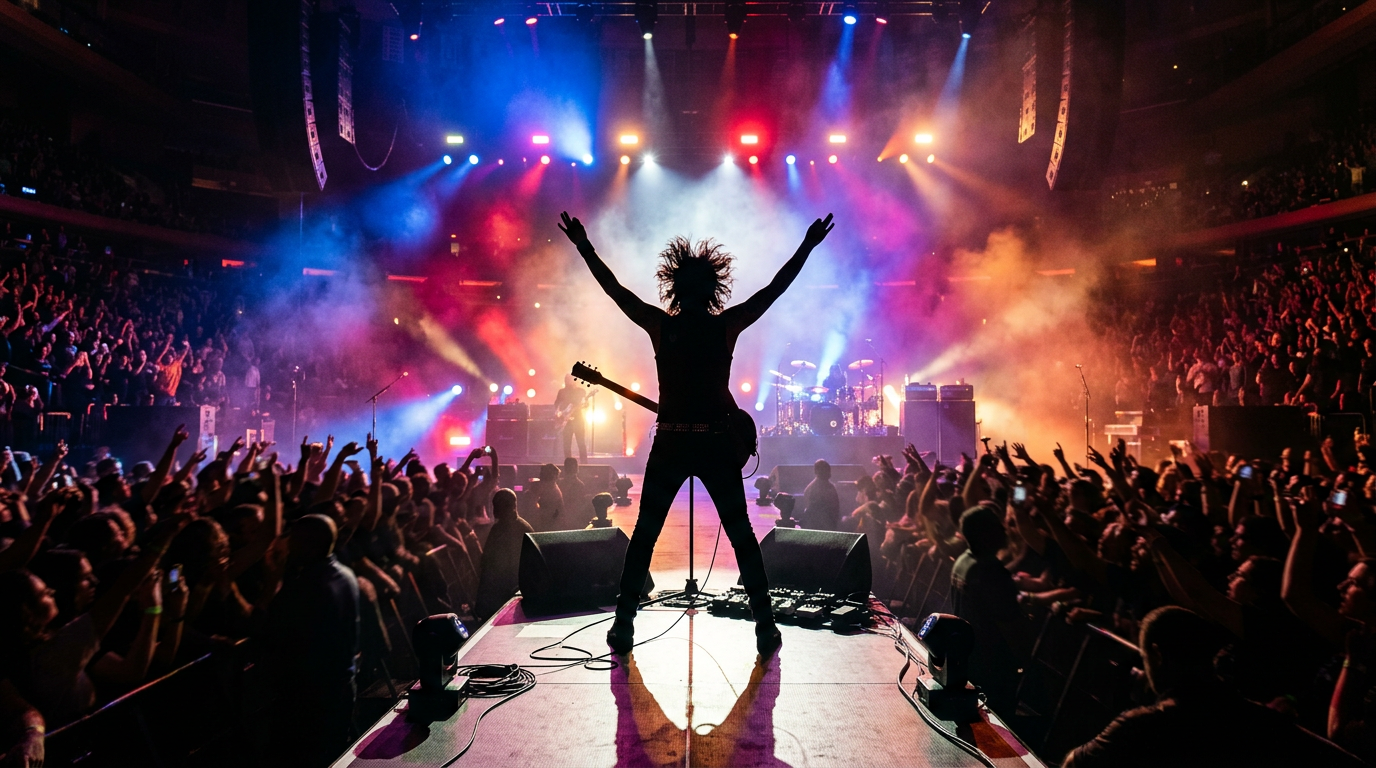
New York is one of the best live-music cities in the world — on any given week there's a major tour at an arena, a legend in a historic theater, and dozens of smaller shows across the city. The lineup changes constantly, so the real skill isn't knowing today's schedule by heart, it's knowing how to find which concerts in New York fall during your dates and which shows justify the spend. Here's how to think about it.

Spring is when the live-music calendar fills back up. As the weather warms, touring season ramps into gear, and April and May bring a steadier stream of shows across the city's great venues. Lineups change constantly, so the skill is knowing how to find what's on during your trip — here's the lay of the land.
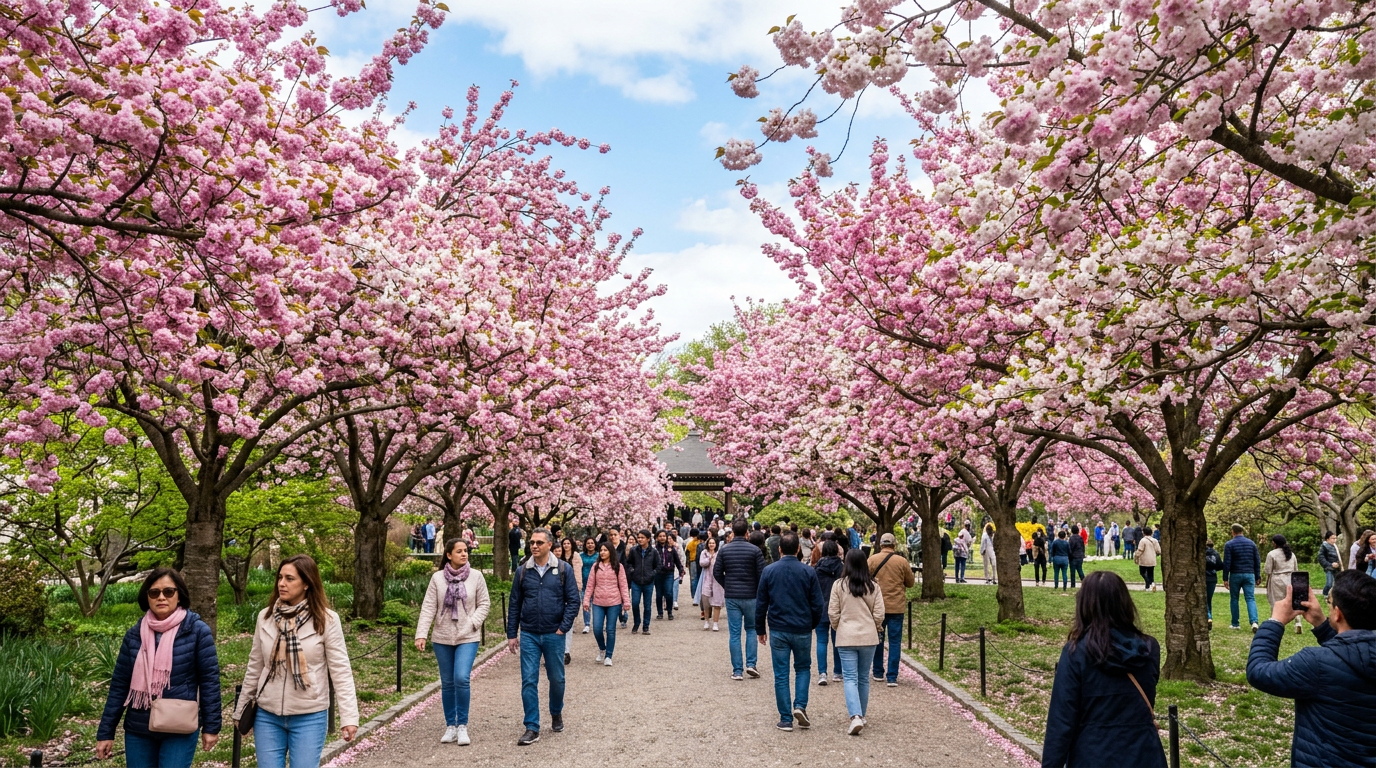
April is when New York shakes off winter. The weather turns mild, the blossoms arrive, and the outdoor city comes back all at once. Here's how to make the most of the month.
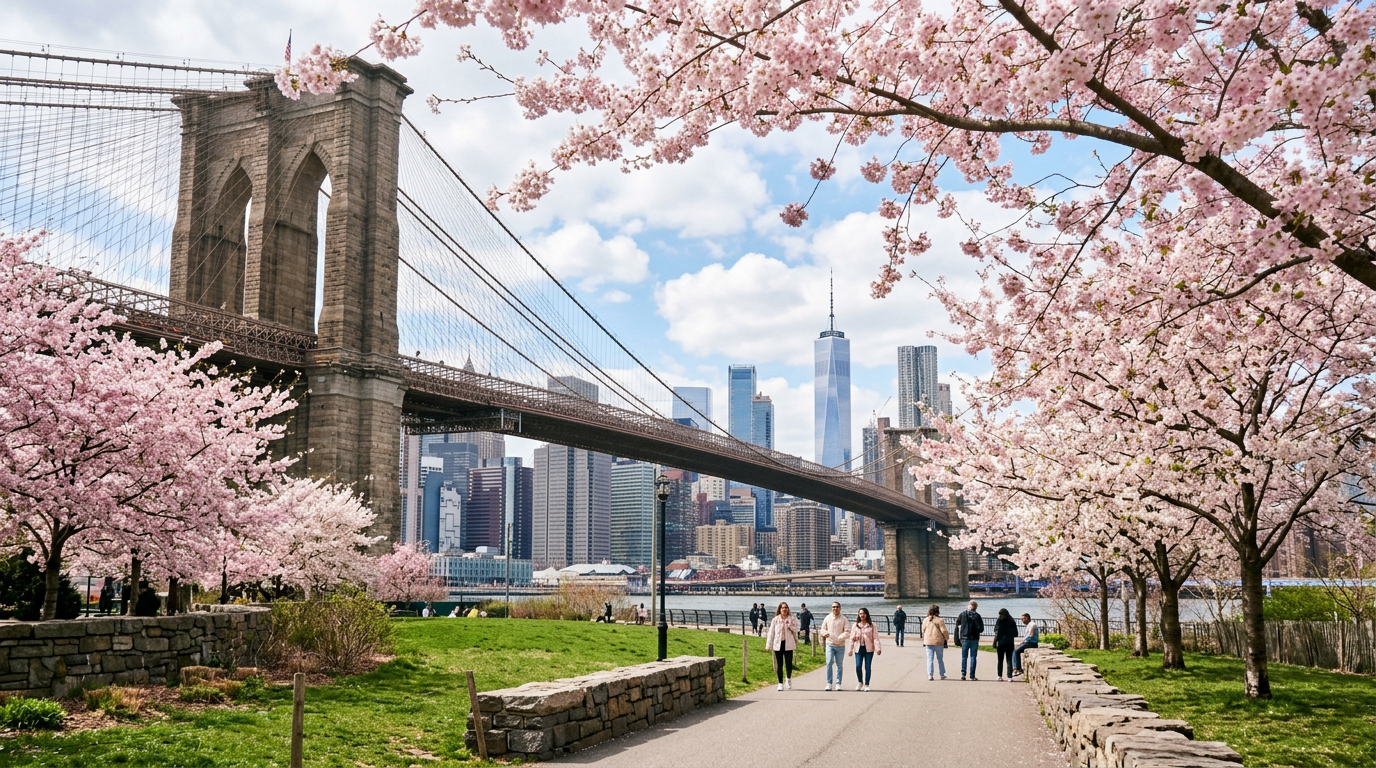
Spring might be the most underrated time to visit New York. The cold lifts, the parks bloom, the outdoor city comes back to life, and you get much of summer's energy without the heat or the peak crowds. Here's what the season offers.
We use cookies to measure traffic and improve your experience. Learn more